
Tuesday, March 4, 2014

Monday, March 3, 2014
Borith lake Gojal (upper Hunza)

Introduction:
Khunjerab National park

Introduction:
Khunjerab National Park is the second larges park in Pakistan an one of the highest altitude parks in the world with 2,269 kilometers upper Hunza Gojal,, provides the habitat for a number of endangered and threatened species like the Snow leopard, Marco Polo sheep, and Himalayan ibex. It is also one of the most important alpine biodiversity regions within Pakistan. Protection of the alpine flora in Khunjerab National Park is focus on community-based conservation with a strong element of environmental.Chipursan valley Gojal (upper Hunza)
Introduction:
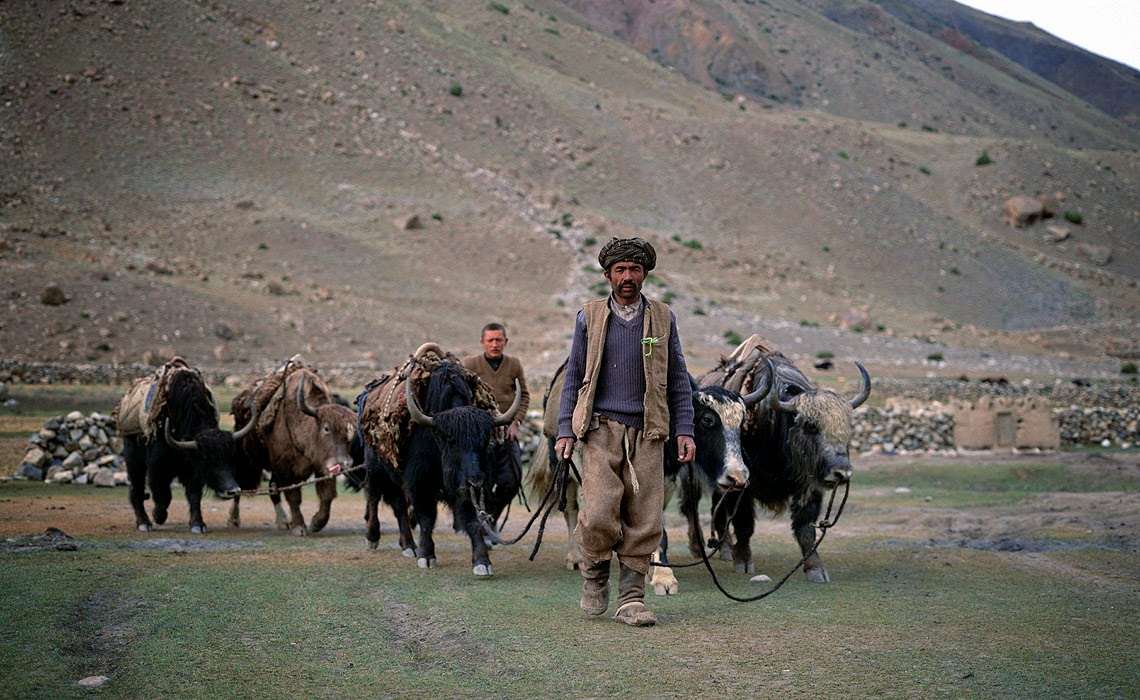
The long broad Chipursan valley joins the Hunza River from the west, just above Sost. The road goes up the valley for 35 kilometers to Reshit. The wide flat valley nourishes irrigated wheat fields, thought in the mid eighteenth century a flood covered much of the fertile land with a thick layer of clay and boulders. Legend says that the Baba Ghundi, who came begging in the valley and received only some milk from an old woman, caused the flood. To punish the valley, Baba Ghundi sent the flood and mud slick. Destroying everything except the old woman, her field and he hut thus earning great respect for the rest of his life and deep veneration after his death. The valley is still littered with high with high mounds of flood debris, and pilgrims come from all over northern Pakistan and Wakhan to Baba Ghundi’s shrine to pray and beg favors. There are several shepherds’ summer settlements up the side of these glaciers, and apparently you can cross from the Kukijerab Glacier over a technical 5,200 meter across the Lupghar Pass and come back to the Chipursan valley at Raminji. A holy rock beside the road beyond Yashkuk shows the marks of hands, knees, toes, and forehead. The rock is now a shrine and pilgrim resting place. Another holy rock along the way shows scratch marks as if clawed by a hand, which are filled with an oily substance that never dries up.Sost valley Gojal (upper Hunza)
Introduction:
Sost is the last village in Pakistan on the KKH. Sost Dry Port, Pakistani immigration and customs post. It stands at about 2,700 meters, 206 kilometers from Gilgit. Above the village is another example of determined village engineering, an AKRSP water channel that passes through a 400 meter tunnel. The foot of the tunnel is very high at the exit, as the villagers got the level wrong on their first attempt and had to dig down. On the west a footbridge about 1.5 kilometers upriver reaches bank of the Hunza River Khudabad village from Sost.Ganesh Valley
 Introduction:
Ganesh Village is a small and ancient village on the KKH in central Hunza. Originally a single compact cluster of houses, greater Ganish now comprises about seven clusters of dwellings. Ganish was recognized for its strategic location on the brench of the Silk Road leading out of the Karakorum into Uighur China (Xing Kiang). The historic village was restored by the Aga Khan Cultural Service focus on three physical components, Pharee, a historic water pond, Sawab Ha, (the house of benediction) two storied, and two roomed with carved wooden elements, Jataq open space used for the common and shared activities of the community and the Mosques The ancient house in Hunza has received the UNESCOs Heritage Award for 2009. The House, a 400-year-old architectural masterpiece, formerly used by envoy of Mir of Hunza.
Sacred Rocks Hunza valley
 Introduction:
From Ganesh village you can walk on across the road bridge to the so-called sacred rocks, about 400 meters beyond the bridge, between the KKH and the Hunza River below Altit Fort. Called “the guest book of the Silk Route” by professor A H Dani. Pakistan’s famous archaeologist, the rocks record 2,000 years of travels along the road to and from China. The inscriptions are in Kharoshthi, Barhmi, Gupta, Sogdian and Tibetan. The rock carving and inscriptions around Ganesh village give proof of the Buddhist influence in the area. The inscriptions are in four different scripts and the carvings are of human and animals figures.
Subscribe to:
Comments (Atom)